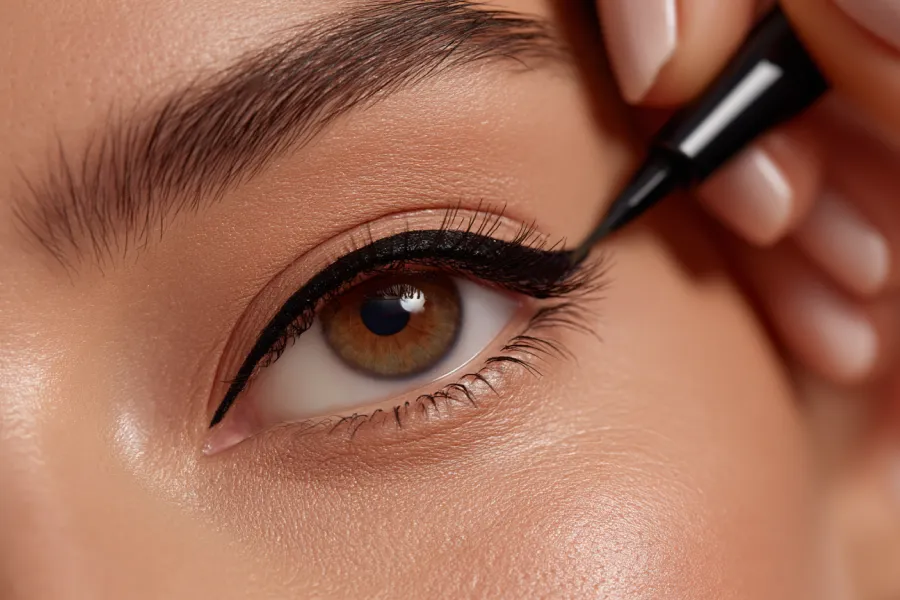
A pre-makeup skin prep guide helps your makeup look better before the first cosmetic step. Many people blame foundation when the real issue is preparation. Dryness, excess oil, texture, and rushed layering can change the final result. Good prep creates a smoother surface and a calmer face. It also helps makeup wear more evenly through the day. You do not need a complicated ritual. You need the right steps in the right order. A simple method supports tint, concealer, blush, and powder beautifully. The Natural Makeup Techniques Bundle helps connect skin prep with natural makeup technique. When skin is ready, makeup feels lighter and looks more seamless.
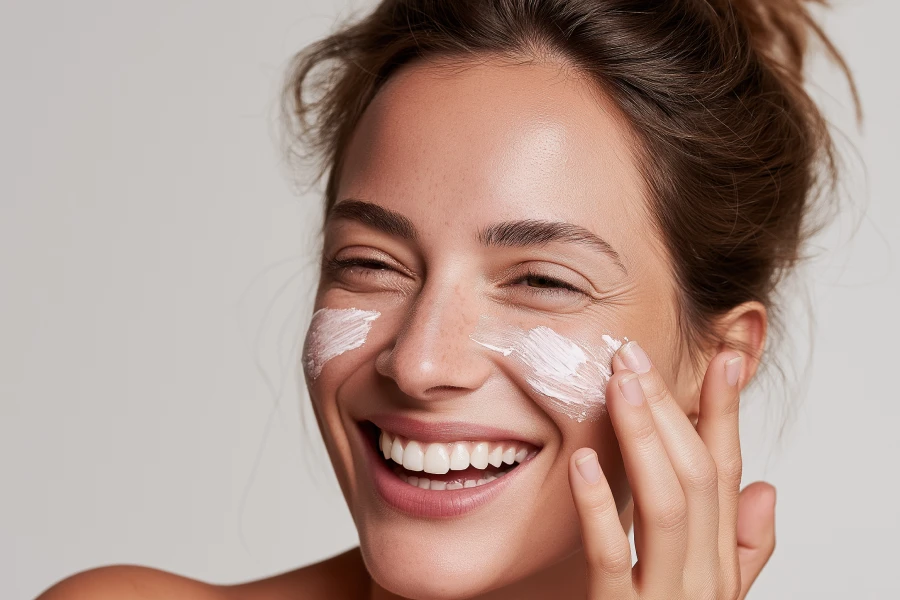
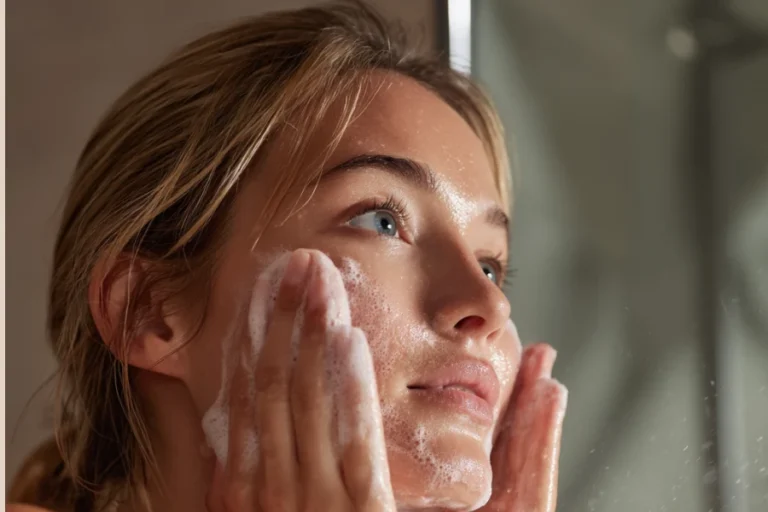
Clean skin helps makeup sit more evenly. Morning skin may not need a deep cleanse, but it often needs refreshing. Use a gentle cleanser if you wake up oily. Rinse with water if your skin feels balanced. Avoid harsh scrubbing before makeup. Irritated skin can make products catch or separate. Pat the face dry instead of rubbing. A thoughtful smooth makeup base begins with comfort. The first step should leave your skin calm. Makeup always looks better when the surface feels settled.
Hydration is one of the most important prep steps. Dehydrated skin can make makeup look patchy. It can also make fine lines appear more noticeable. Apply lightweight hydration before richer creams. Let each layer settle before adding the next. Use moisturizer according to your skin type. Oily skin may need gel texture. Dry skin may need more cushioning. A practical hydrated skin makeup routine improves comfort and finish. The Natural Makeup Techniques Bundle helps you understand how prep affects makeup. Hydrated skin usually needs less coverage.
Texture needs gentle planning, not aggressive correction. A light exfoliating habit can help over time. However, strong exfoliation right before makeup can create redness. Use smoothing products carefully and consistently. Primer can help when pores or uneven texture bother you. Apply it only where needed. Too much primer can make products slip. A focused primer placement guide keeps the base controlled. Let the product set before adding tint or foundation. Better texture prep makes light makeup look more professional.
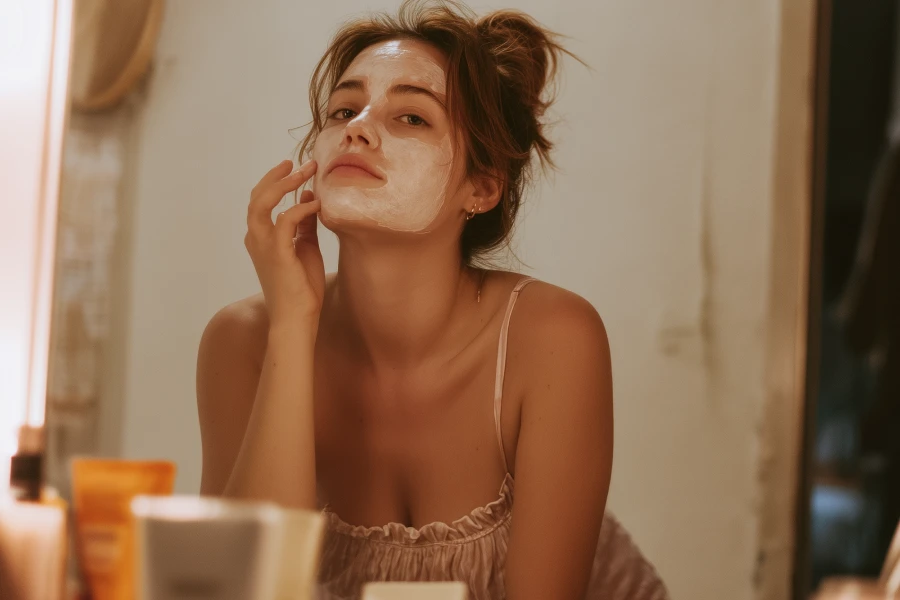
Primer should solve a specific problem. Hydrating primers help dryness. Mattifying primers help excess shine. Smoothing primers soften the look of texture. Gripping primers can support longer wear. You may need primer only in certain areas. This keeps the face from feeling coated. Match primer to your foundation or tint texture. A natural foundation prep method avoids unnecessary layers. If makeup already sits well, skip primer. Good prep is about function, not adding every possible step.
Better wear comes from patience. Rushing layers can cause pilling, slipping, or uneven coverage. Give moisturizer time to absorb. Let sunscreen settle before makeup. Use thin product layers whenever possible. Press complexion products into the skin instead of dragging them aggressively. Set only areas that need control. A smart long lasting natural makeup routine begins before makeup itself. Your base holds better when prep supports it. The finish also looks fresher after several hours. Small timing changes can make a big difference.

A prep routine should be simple enough for normal mornings. Keep your steps consistent and your products visible. Remove anything that causes pilling, stinging, or heaviness. Notice how your makeup behaves after different prep choices. Adjust based on evidence, not trends. Use richer prep for dry days and lighter prep for humid days. A dependable makeup skin prep routine gives your look stability. The Natural Makeup Techniques Bundle helps turn those choices into an easy system. When prep becomes automatic, natural makeup becomes easier. Your final look feels smoother, softer, and more confident.

Leave a comment
You must be logged in to post a comment.